
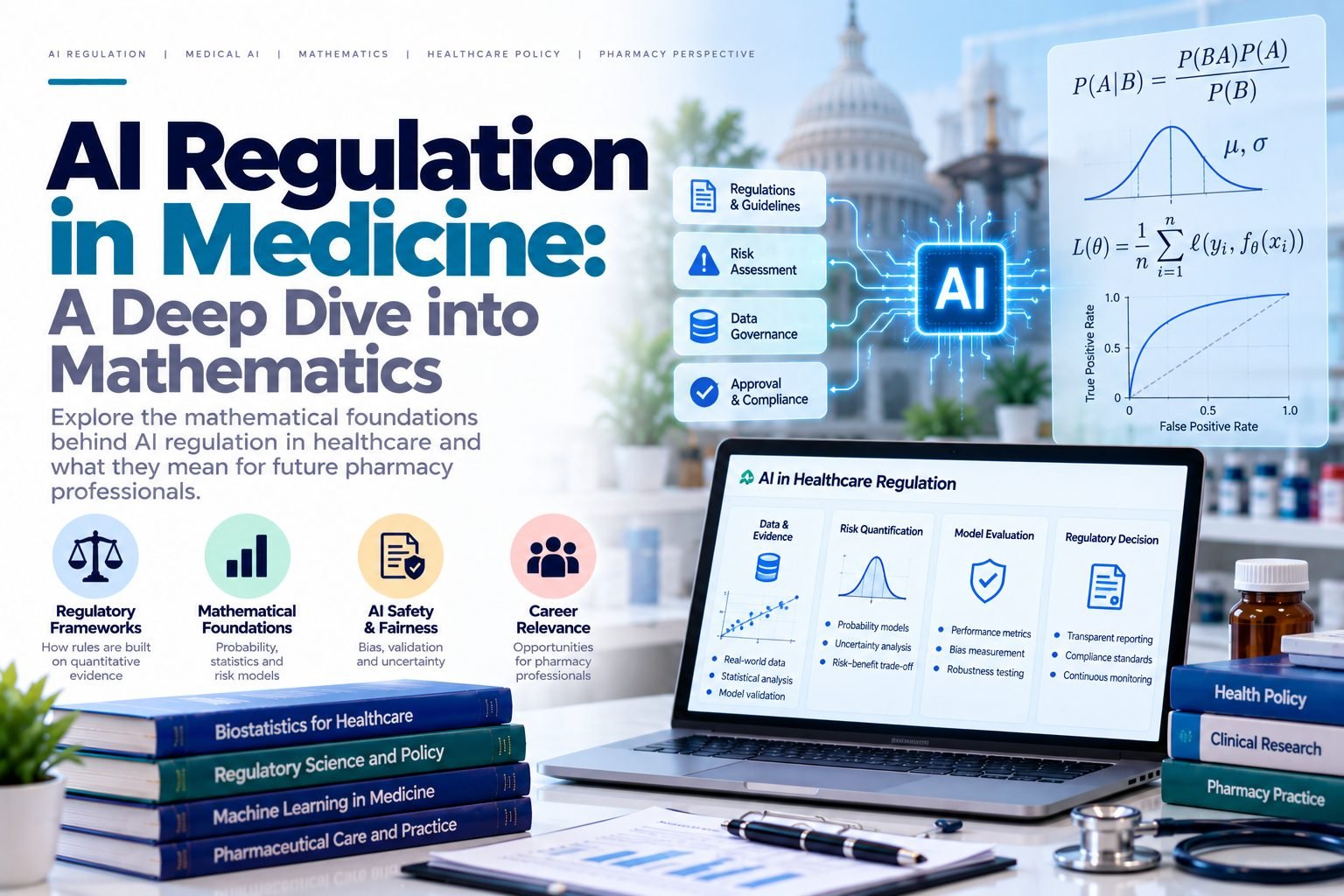
Introduction — the problem in context
AI regulation in medicine is a pressing issue. Pharmacovigilance officers face challenges in ensuring AI safety and efficacy. Traditional methods are being compared to deep learning approaches.
A concrete example is the use of AI in medical imaging. Deep learning models can detect diseases more accurately than traditional methods. However, regulatory frameworks are still evolving.
Background — setting, actors, constraints
The setting for AI regulation in medicine is complex. Actors include healthcare professionals, patients, and regulatory bodies. Constraints include data quality, privacy, and the need for transparency.
An example of these constraints is the need for anonymized patient data. Deep learning models require large datasets to train accurately. However, ensuring patient privacy is a major challenge.
What was done — interventions and timeline
Interventions to address AI regulation in medicine include the development of new regulatory frameworks. A timeline for these interventions is crucial. For example, the FDA has established a framework for regulating AI in medical devices.
A specific scenario is the use of AI in clinical trials. Deep learning models can help identify patient populations and optimize treatment strategies. However, regulatory approval is necessary before these models can be used.
Outcomes — measurable results
Outcomes of AI regulation in medicine include improved patient safety and efficacy. Measurable results can be seen in the use of deep learning models in medical imaging. For example, a study found that deep learning models can detect breast cancer more accurately than traditional methods.
A practical implication of these outcomes is the need for pharmacovigilance officers to be trained in AI regulation. This includes understanding deep learning models and their applications in medicine.
Lessons learned
Lessons learned from AI regulation in medicine include the need for a multidisciplinary approach. This includes collaboration between healthcare professionals, regulators, and AI developers. Another lesson is the importance of transparency and explainability in AI decision-making.
An example of these lessons is the use of model-agnostic explainability methods. These methods can help understand how deep learning models make decisions. This is crucial for ensuring transparency and trust in AI regulation.
How others can apply this
Others can apply the lessons learned from AI regulation in medicine by adopting a similar approach. This includes developing regulatory frameworks and ensuring transparency and explainability in AI decision-making. Pharmacovigilance officers can also be trained in AI regulation to ensure safe and effective use of AI in medicine.
A specific scenario is the use of AI in pharmacovigilance. Deep learning models can help identify adverse event reports and optimize pharmacovigilance strategies. However, regulatory approval is necessary before these models can be used.
Conclusion
In conclusion, AI regulation in medicine is a complex issue. Deep learning approaches are being compared to traditional methods. Pharmacovigilance officers play a crucial role in ensuring AI safety and efficacy. By adopting a multidisciplinary approach and ensuring transparency and explainability, we can ensure the safe and effective use of AI in medicine.
A final example is the use of AI in medical research. Deep learning models can help identify new therapeutic targets and optimize treatment strategies. However, regulatory frameworks are still evolving to address the challenges of AI regulation in medicine.
Frequently Asked Questions
Here are some frequently asked questions about AI regulation in medicine:
- Q: What is the current regulatory framework for AI in medicine? A: The regulatory framework is still evolving and varies by country and region.
- Q: How can pharmacovigilance officers ensure AI safety and efficacy? A: By adopting a multidisciplinary approach and ensuring transparency and explainability in AI decision-making.
- Q: What are the challenges of AI regulation in medicine? A: Challenges include data quality, privacy, and the need for transparency and explainability.
- Q: How can AI be used in pharmacovigilance? A: AI can be used to identify adverse event reports and optimize pharmacovigilance strategies.
- Q: What is the future of AI regulation in medicine? A: The future includes the development of new regulatory frameworks and the adoption of deep learning approaches.
Common Misconceptions
Here are some common misconceptions about AI regulation in medicine:
- Misconception: AI regulation in medicine is not necessary. Reality: AI regulation is crucial for ensuring patient safety and efficacy.
- Misconception: Deep learning models are too complex to be regulated. Reality: Deep learning models can be regulated using model-agnostic explainability methods.
- Misconception: AI regulation in medicine will stifle innovation. Reality: AI regulation can actually promote innovation by ensuring transparency and explainability.
- Misconception: Pharmacovigilance officers do not need to be trained in AI regulation. Reality: Pharmacovigilance officers need to be trained in AI regulation to ensure safe and effective use of AI in medicine.
Practical Application
Here are some practical steps for applying AI regulation in medicine:
- Develop a regulatory framework for AI in medicine.
- Ensure transparency and explainability in AI decision-making.
- Train pharmacovigilance officers in AI regulation.
- Use model-agnostic explainability methods to understand deep learning models.
- Adopt a multidisciplinary approach to AI regulation in medicine.
By following these steps, we can ensure the safe and effective use of AI in medicine and promote innovation in the field.