
Introduction
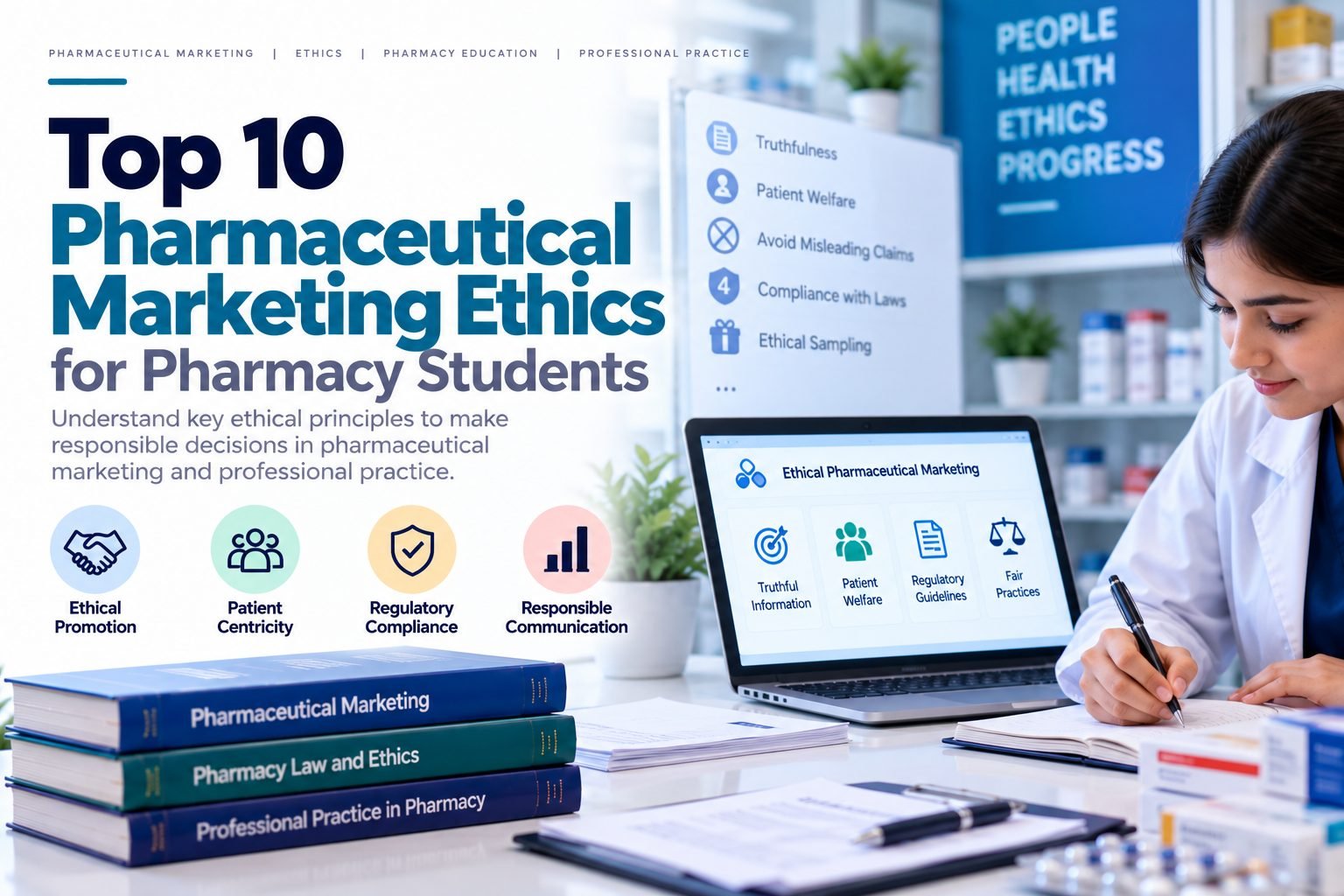
Pharmaceutical marketing ethics is a crucial aspect of the pharmaceutical industry, as it ensures that marketing practices are fair, honest, and respectful of patients and healthcare professionals. As pharmacy students, it is essential to understand the importance of pharmaceutical marketing ethics and its relevance to their future careers. In this article, we will explore the top 10 pharmaceutical marketing ethics for pharmacy students, with sample exam-style questions and a beginner roadmap.
What it is / what it isn't
Pharmaceutical marketing ethics refers to the set of principles and guidelines that govern the marketing of pharmaceutical products. It is not just about promoting products, but also about ensuring that marketing practices are transparent, accurate, and respectful of patients and healthcare professionals. For example, pharmaceutical companies must ensure that their marketing materials are free from misleading or deceptive claims, and that they comply with regulatory requirements.
Why it matters for the target audience
Pharmaceutical marketing ethics is essential for pharmacy students because it affects their future careers and the way they interact with patients and healthcare professionals. As future pharmacists, they will be responsible for promoting and dispensing pharmaceutical products, and they must ensure that they do so in an ethical and responsible manner. For instance, pharmacy students must understand the importance of informed consent and the need to provide patients with accurate and unbiased information about pharmaceutical products.
Key components or steps
The key components of pharmaceutical marketing ethics include transparency, accuracy, and respect for patients and healthcare professionals. Pharmaceutical companies must ensure that their marketing materials are transparent, accurate, and free from misleading or deceptive claims. They must also respect the autonomy of patients and healthcare professionals, and ensure that their marketing practices do not compromise the integrity of the healthcare system. For example, pharmaceutical companies must disclose any potential conflicts of interest and ensure that their marketing materials are reviewed and approved by regulatory authorities.
How it works in practice — a concrete example
A concrete example of pharmaceutical marketing ethics in practice is the marketing of a new pharmaceutical product for the treatment of a chronic disease. The pharmaceutical company must ensure that its marketing materials are transparent, accurate, and free from misleading or deceptive claims. They must also provide patients and healthcare professionals with accurate and unbiased information about the product, including its benefits, risks, and potential side effects. For instance, the company may provide educational materials and resources to help patients and healthcare professionals understand the product and its use.
Common challenges
Common challenges in pharmaceutical marketing ethics include the risk of misleading or deceptive marketing practices, conflicts of interest, and the potential for marketing practices to compromise the integrity of the healthcare system. Pharmaceutical companies must be aware of these challenges and take steps to mitigate them, such as ensuring that their marketing materials are reviewed and approved by regulatory authorities, and providing patients and healthcare professionals with accurate and unbiased information about pharmaceutical products.
Best practices
Best practices in pharmaceutical marketing ethics include transparency, accuracy, and respect for patients and healthcare professionals. Pharmaceutical companies must ensure that their marketing materials are transparent, accurate, and free from misleading or deceptive claims. They must also respect the autonomy of patients and healthcare professionals, and ensure that their marketing practices do not compromise the integrity of the healthcare system. For example, pharmaceutical companies may establish internal review processes to ensure that their marketing materials meet regulatory requirements and are free from misleading or deceptive claims.
Common misconceptions
Common misconceptions about pharmaceutical marketing ethics include the idea that marketing practices are not subject to regulatory oversight, or that pharmaceutical companies are free to promote their products without regard for accuracy or transparency. However, pharmaceutical marketing ethics is a highly regulated field, and pharmaceutical companies must comply with regulatory requirements and ensure that their marketing practices are transparent, accurate, and respectful of patients and healthcare professionals.
FAQ — 5 questions readers commonly ask, with detailed answers
Q: What is the role of regulatory authorities in pharmaceutical marketing ethics? A: Regulatory authorities play a crucial role in ensuring that pharmaceutical marketing practices are transparent, accurate, and respectful of patients and healthcare professionals. They review and approve marketing materials, and ensure that pharmaceutical companies comply with regulatory requirements.
Q: How can pharmaceutical companies ensure that their marketing practices are transparent and accurate? A: Pharmaceutical companies can ensure that their marketing practices are transparent and accurate by establishing internal review processes, providing patients and healthcare professionals with accurate and unbiased information about pharmaceutical products, and complying with regulatory requirements.
Q: What are the consequences of non-compliance with pharmaceutical marketing ethics regulations? A: The consequences of non-compliance with pharmaceutical marketing ethics regulations can include fines, penalties, and damage to the company's reputation. Non-compliance can also compromise the integrity of the healthcare system and put patients at risk.
Q: How can pharmacy students learn more about pharmaceutical marketing ethics? A: Pharmacy students can learn more about pharmaceutical marketing ethics by taking courses or attending workshops on the subject, reading industry publications and regulatory guidelines, and seeking guidance from experienced professionals in the field.
Q: What is the future of pharmaceutical marketing ethics? A: The future of pharmaceutical marketing ethics is likely to involve increased regulatory oversight, greater transparency and accountability, and a greater emphasis on patient-centered marketing practices. Pharmaceutical companies must be prepared to adapt to these changes and ensure that their marketing practices are aligned with regulatory requirements and industry best practices.
Conclusion
In conclusion, pharmaceutical marketing ethics is a critical aspect of the pharmaceutical industry, and pharmacy students must understand its importance and relevance to their future careers. By following the top 10 pharmaceutical marketing ethics principles, pharmacy students can ensure that they promote and dispense pharmaceutical products in an ethical and responsible manner, and maintain the trust and confidence of patients and healthcare professionals. As the pharmaceutical industry continues to evolve, it is essential that pharmacy students stay up-to-date with the latest developments and best practices in pharmaceutical marketing ethics.