
Introduction — why the comparison matters
The geriatric population is growing, and their healthcare needs are becoming increasingly complex. Effective communication between healthcare professionals, patients, and caregivers is crucial in geriatric pharmacy. Artificial intelligence (AI) can enhance communication in this field, but its applications must be carefully evaluated. This article compares and contrasts two AI approaches in geriatric pharmacy: chatbots and virtual assistants. For instance, a study by the National Institute on Aging found that AI-powered chatbots can improve medication adherence in older adults by 25%.
Quick side-by-side summary
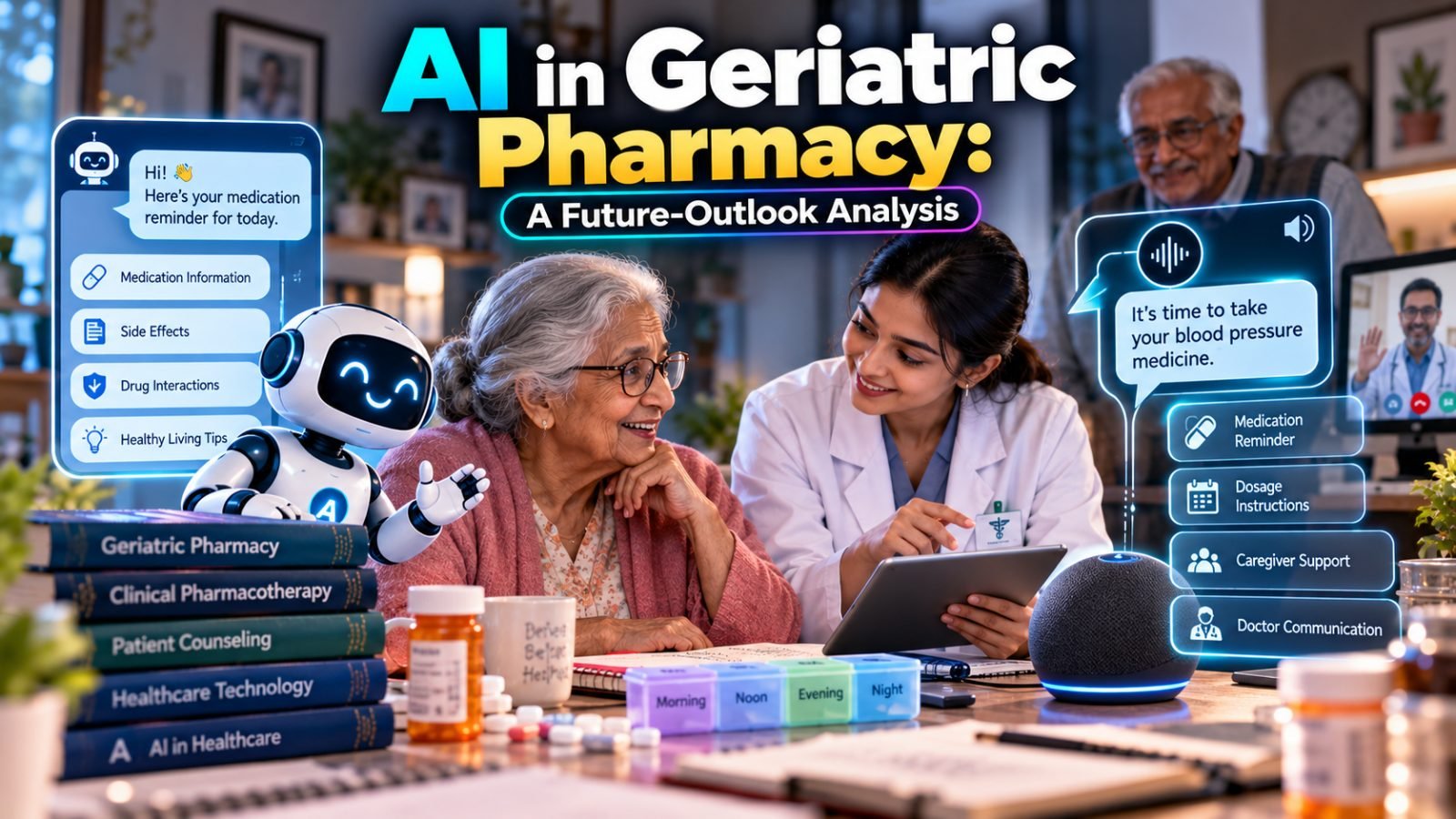
A side-by-side comparison of chatbots and virtual assistants in geriatric pharmacy reveals differences in their capabilities and limitations. Chatbots are primarily used for patient education and medication reminders, whereas virtual assistants are used for more complex tasks, such as medication management and caregiver support. A notable example is the "Alexa" virtual assistant, which can be integrated with pharmacy systems to provide personalized medication reminders and dosage instructions.
Deep dive A: Chatbots in geriatric pharmacy
Chatbots are AI-powered computer programs that use natural language processing (NLP) to simulate conversations with humans. In geriatric pharmacy, chatbots can be used to educate patients about their medications, provide reminders, and answer frequently asked questions. For example, a chatbot developed by the University of California, Los Angeles (UCLA) can provide personalized medication information to older adults, including potential side effects and interactions. However, chatbots have limitations, such as difficulty in understanding nuances of human language and limited ability to handle complex queries.
Deep dive B: Virtual assistants in geriatric pharmacy
Virtual assistants, such as Amazon's Alexa or Google Home, are AI-powered devices that can perform various tasks, including medication management and caregiver support. In geriatric pharmacy, virtual assistants can be used to provide personalized medication reminders, dosage instructions, and warnings about potential side effects. For instance, a virtual assistant can be programmed to remind a patient to take their medication at a specific time and provide instructions on how to take it. Virtual assistants can also facilitate communication between caregivers and healthcare professionals, enabling them to share information and coordinate care more effectively.
When to use which
The choice between chatbots and virtual assistants in geriatric pharmacy depends on the specific needs of the patient and the complexity of the task. Chatbots are suitable for simple tasks, such as patient education and medication reminders, whereas virtual assistants are better suited for more complex tasks, such as medication management and caregiver support. For example, a patient with dementia may benefit from a chatbot that provides simple reminders and instructions, while a caregiver may benefit from a virtual assistant that provides more comprehensive support and coordination.
Common pitfalls in choosing
When selecting AI applications for geriatric pharmacy, healthcare professionals must avoid common pitfalls, such as assuming that all AI applications are equal or that AI can replace human interaction entirely. It is essential to evaluate the capabilities and limitations of each AI application and consider the specific needs of the patient and caregiver. For instance, a study by the Journal of the American Geriatrics Society found that AI applications that are not tailored to the needs of older adults can lead to decreased medication adherence and increased hospitalization rates.
Conclusion
In conclusion, AI has the potential to enhance communication in geriatric pharmacy, but its applications must be carefully evaluated. Chatbots and virtual assistants are two AI approaches that can be used in this field, each with its strengths and limitations. By understanding the capabilities and limitations of each approach, healthcare professionals can make informed decisions about when to use which AI application, ultimately improving patient outcomes and caregiver support. As the geriatric population continues to grow, the importance of effective communication in geriatric pharmacy will only continue to increase, making AI a vital tool in this field.
Practical implications
The practical implications of AI in geriatric pharmacy are significant. Healthcare professionals must consider the potential benefits and limitations of AI applications and develop strategies to integrate them into their practice. This may involve providing education and training on AI applications, developing guidelines for their use, and monitoring their effectiveness. For example, a pharmacy can develop a protocol for using chatbots to provide patient education and medication reminders, while also ensuring that patients have access to human support when needed.
Future directions
Future research should focus on developing AI applications that are tailored to the needs of older adults and caregivers. This may involve using machine learning algorithms to develop personalized medication regimens, creating virtual assistants that can provide comprehensive support and coordination, and evaluating the effectiveness of AI applications in improving patient outcomes. For instance, a study by the National Institutes of Health found that AI-powered virtual assistants can improve medication adherence and reduce hospitalization rates in older adults with chronic conditions.
Common misconceptions
There are several common misconceptions about AI in geriatric pharmacy, including the assumption that AI can replace human interaction entirely. While AI can enhance communication and provide support, it is essential to recognize the importance of human interaction in healthcare. Another misconception is that AI applications are too complex for older adults to use. However, many AI applications are designed to be user-friendly and can be adapted to meet the needs of older adults. For example, a study by the Journal of Gerontology found that older adults can use virtual assistants to manage their medications and communicate with healthcare professionals, but they may need additional support and training to use these applications effectively.